Growing Figs in Rainy Season Guide —
Growing Figs in Rainy Season Guide begins here: if you’re wondering how to keep your fig trees healthy when the skies are grey, this guide is for you. Growing figs in rainy season presents unique challenges, but with proven care steps you can protect your trees, prevent sour fruits, and keep harvests coming when the sun returns.
Why growing figs in rainy season matters
Growing figs in rainy season matters because figs need sunlight to build sugars in their fruit. During prolonged cloudy weather, trees slow fruiting, leaves stretch and look limp, and fruit like our Black madeira (BM) can ripen without sweetness—turning sour and wasting your harvest. This guide focuses on practical, essential steps to maintain tree health during wet months.
Common problems when growing figs in rainy season
Sour fruits and wasted harvests
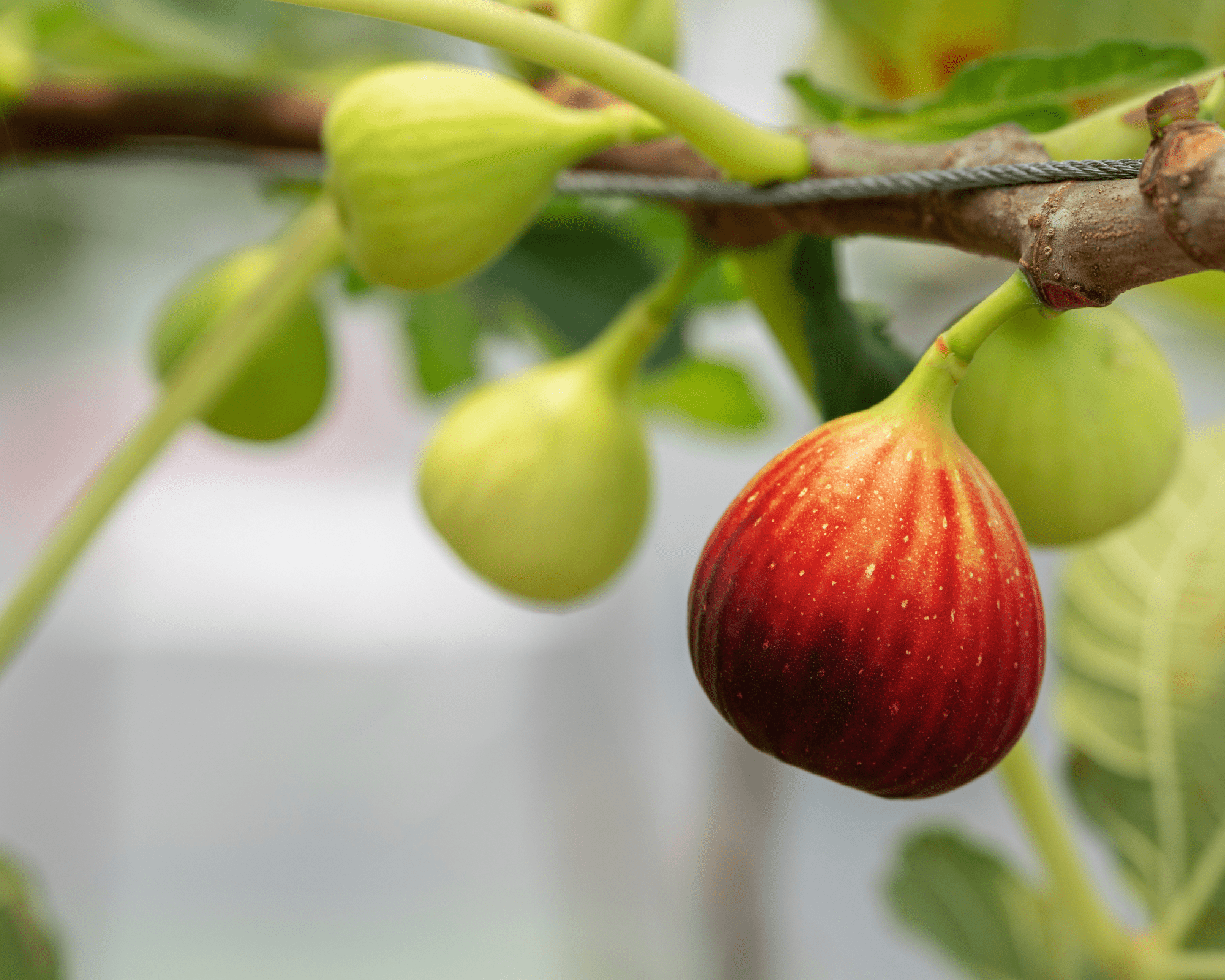
Sour-tasting figs are common when growing figs in rainy season because low sunlight prevents sugar accumulation. One BM fig in our garden ripened but tasted sour—an expensive lesson on sunlight’s role in flavor.
Root rot and fungal diseases
Overly wet soil increases the risk of root rot. When growing figs in rainy season, prioritize soil that drains quickly to keep roots oxygenated and healthy.
Slow growth and delayed harvests
Figs may delay fruiting until conditions improve. Growing figs in rainy season successfully means managing expectations and focusing on plant resilience.
Practical care tips for growing figs in rainy season
Improve drainage and soil structure
Use well-draining mixes or amend garden beds with coarse sand, perlite, or rice hulls. Raised beds and pots with extra drainage holes help prevent waterlogging.
Shelter potted figs and young trees
If possible, move containers under eaves or temporary shelter during heavy storms. A simple clear cover that allows light but blocks driving rain can reduce fungal pressure while still helping the plant photosynthesize.
Adjust watering and fertilization
During rainy weeks, cut back on supplemental watering—rain often supplies enough moisture. Use a gentle organic fertilizer like vermicast sparingly; avoid heavy nitrogen that encourages lush foliage vulnerable to disease.
Regular inspection and quick action
Check for signs of fungal spots, yellowing leaves, or soft roots. When growing figs in rainy season, early detection and treatment (organic fungicide or pruning infected parts) save time and preserve tree vigor.
Pruning and airflow
Light pruning to open the canopy improves airflow and reduces humidity pockets where fungi thrive. When growing figs in rainy season, keep branches tidy and avoid heavy pruning during peak wet periods.
Quick troubleshooting
If fruit is sour: reduce water, increase sun exposure where possible, and be patient—future crops will be sweeter after sunnier weather.
If leaves yellow: test drainage and consider repotting or improving bed soil.
If you spot pests or disease: isolate affected plants and treat promptly.
FAQs — Helpful short answers for readers and Rank Math
Can fig trees survive heavy rains?
Yes. Many fig varieties are resilient. Growing figs in rainy season successfully depends on soil drainage, shelter for potted plants, and monitoring for disease.
Why do figs taste sour in rainy season?
Figs taste sour because photosynthesis slows under cloudy skies. Growing figs in rainy season often reduces sugar buildup in fruit. It happened with my Black Madeira this week which I thought would be delicious as my previous picks, it was so disappointing.
What’s the best soil for figs during rainy months?
A loamy, well-draining mix with organic matter and coarse amendments is best for growing figs in rainy season.
When should I fertilize during rainy season?
Use a light, balanced organic feed sparingly; avoid heavy feeding until drier, sunnier conditions return. Always consider vermicast for best result.
Resources & links
Internal: Read our guide on Fig Borers — The Number 1 Silent Killers in My Fig Trees.
External: Royal Horticultural Society fig advice for deeper reading: https://www.rhs.org.uk/advice/profile?pid=106
Final note & CTA
Growing figs in rainy season guide reminds us that patience and the right care strategies are essential. With proper drainage, careful monitoring, and small protective steps, your fig trees will weather the wet months and reward you with sweet harvests once sunlight returns.